
The blog
Notes on building websites, design, and the brands I love working with.
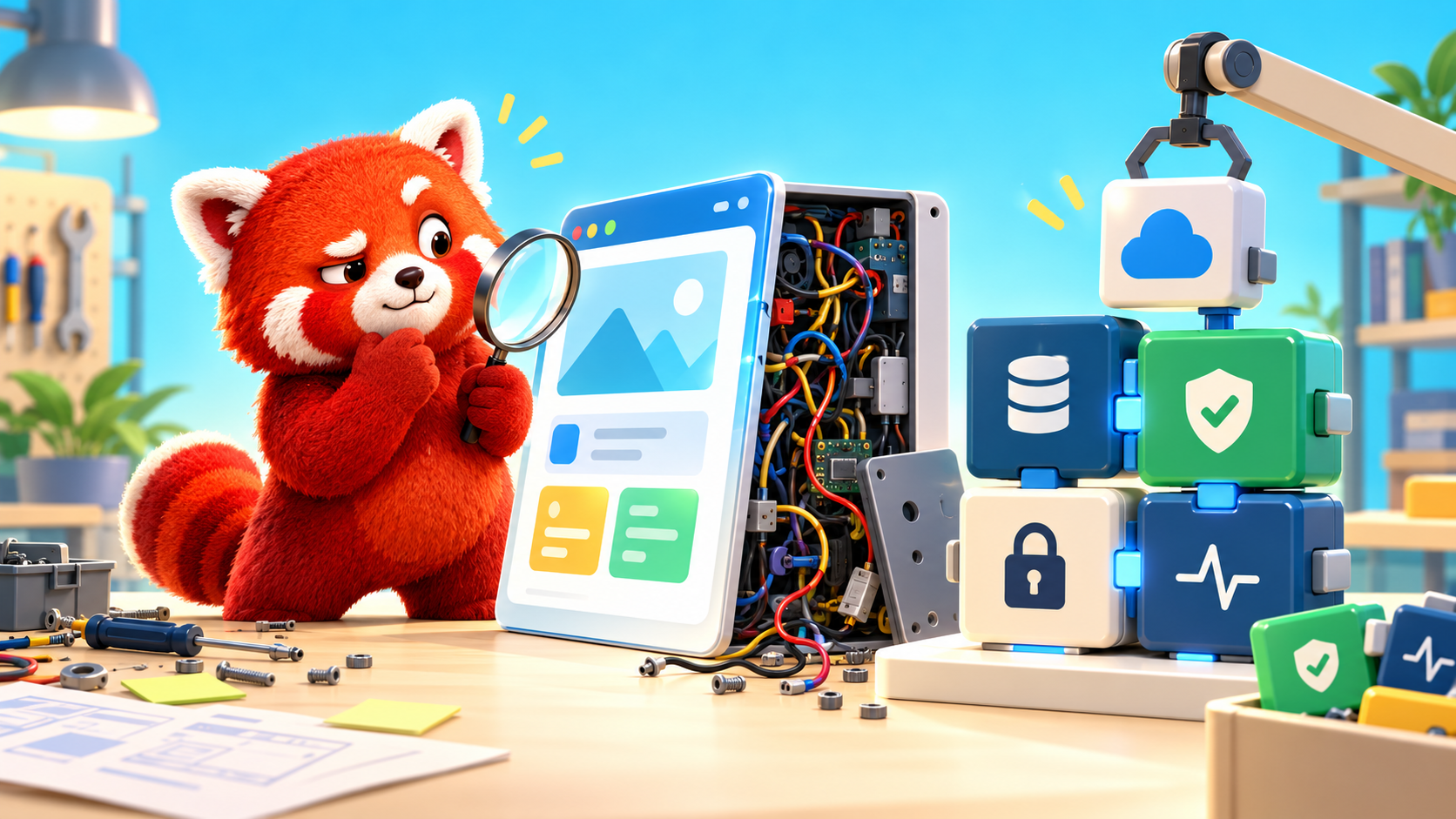
Okay, But Actually… Custom Software Is Not the Problem Here
Some AI-built apps should not be anywhere near real customer data. Before hiring anyone, ask who controls access, what happens after launch, and whether the person building it can explain their own security decisions without secretly asking AI.
Why some websites feel instant (and others make you wait)
Having a fast website isn't a matter of luck. Here's what makes a site feel instant, why speed decides whether people stay, and a few things you can check on your own site.
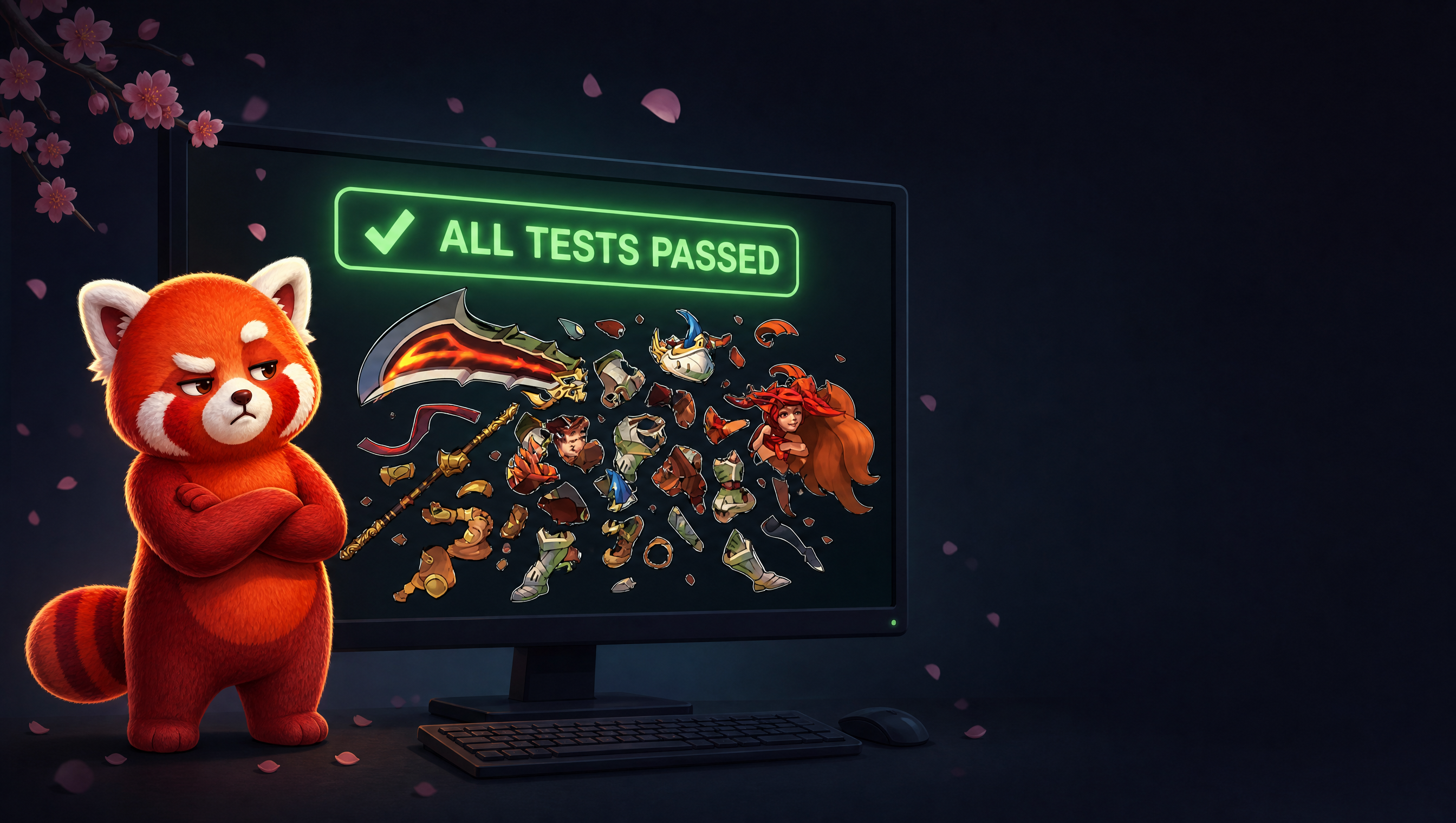
I got the first screen back, and it humbled me
The oldest, smallest piece of the game turned out to be the hardest. It also reinforced what I already knew about AI: it can be completely thorough and completely wrong at the same time, and just as sure of itself either way.
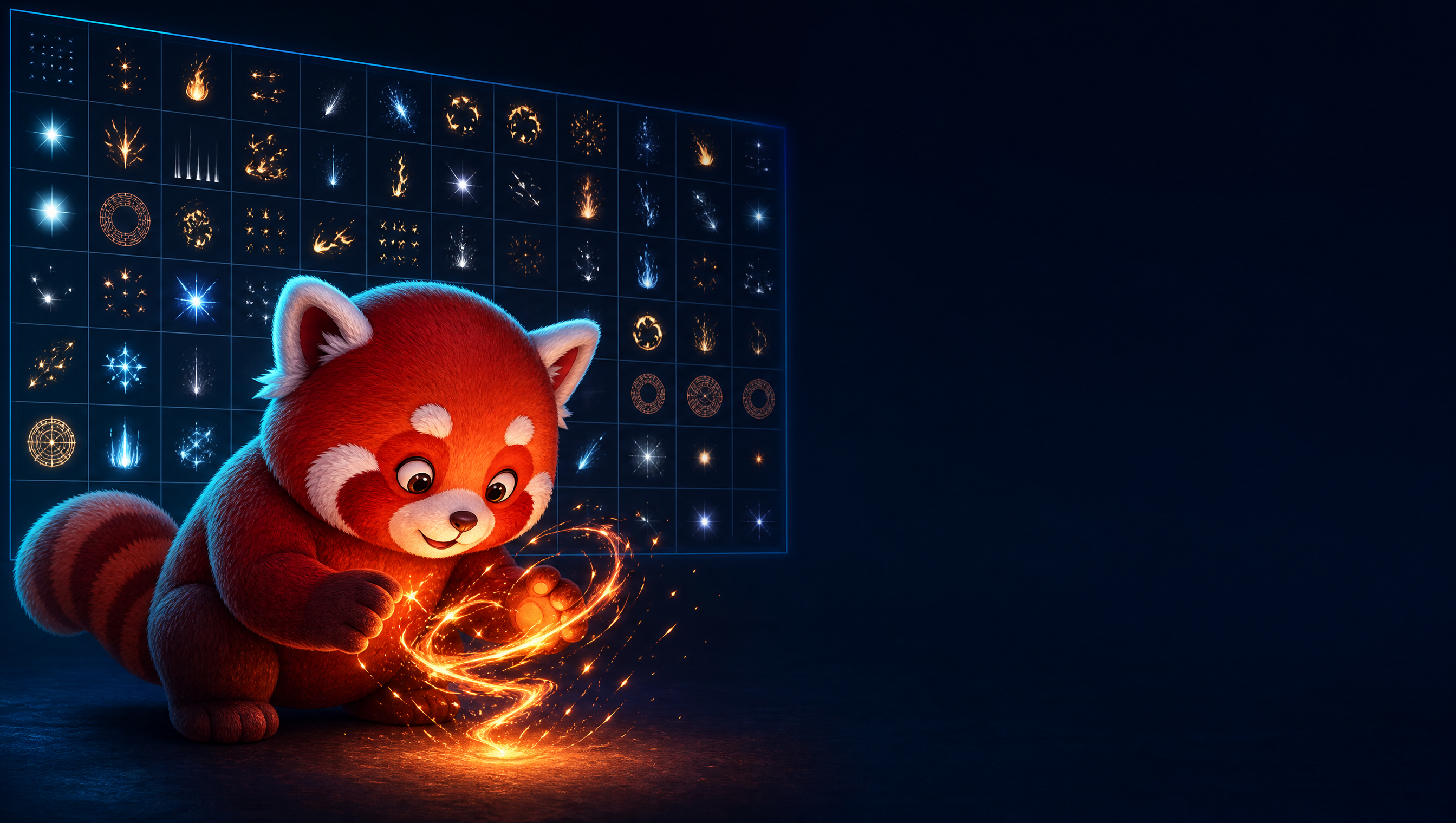
I'm rebuilding a dead game for an audience of two
The servers went dark back in 2018. All I've got left is the app file, a lot of nostalgia, and AI tools that finally make rebuilding it possible.
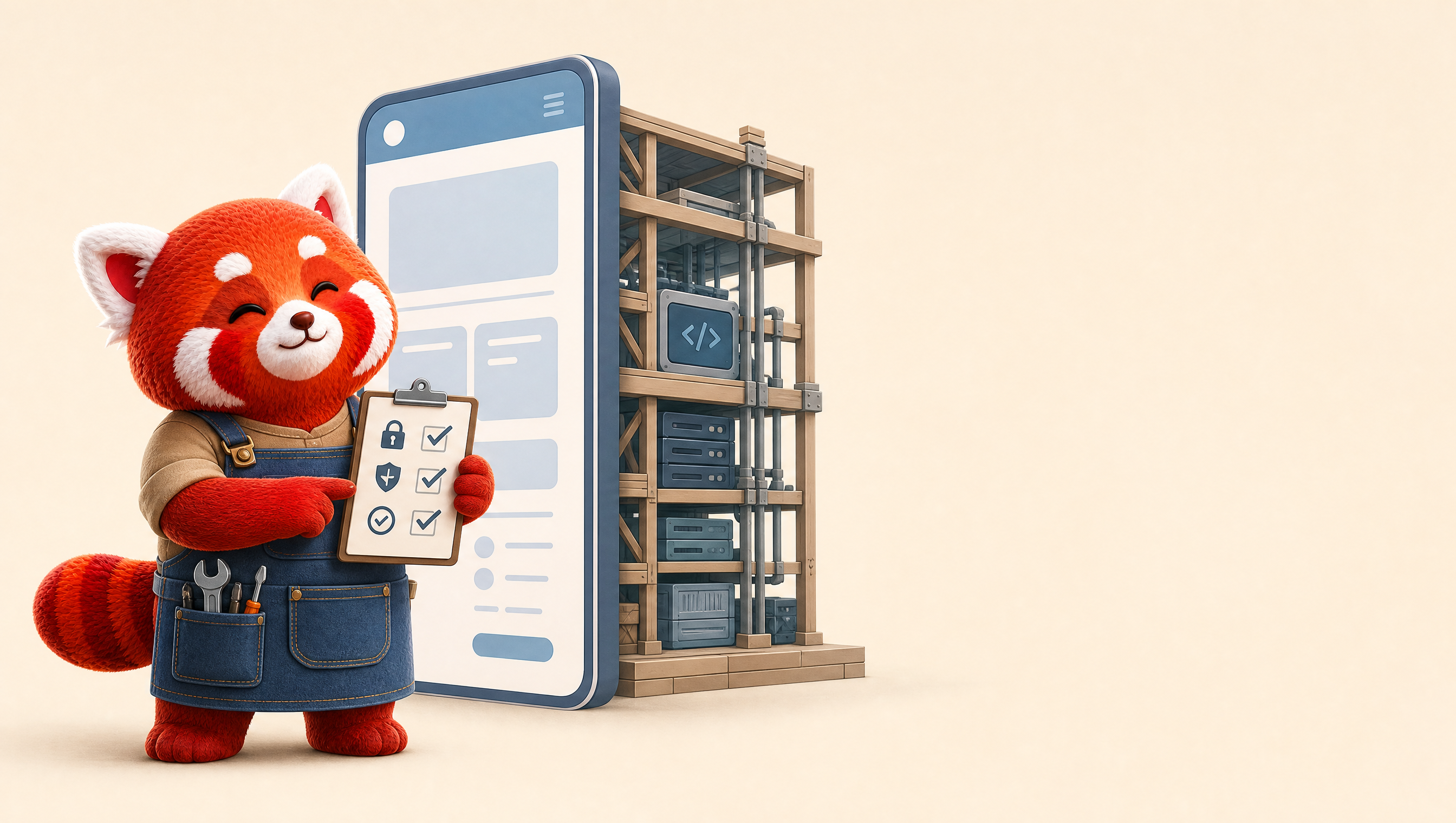
Why 'it works' isn't the same as 'it's done'
You can get a website on screen fast. Getting one you can trust with real users and real money is different. Here's why the order you build in matters.
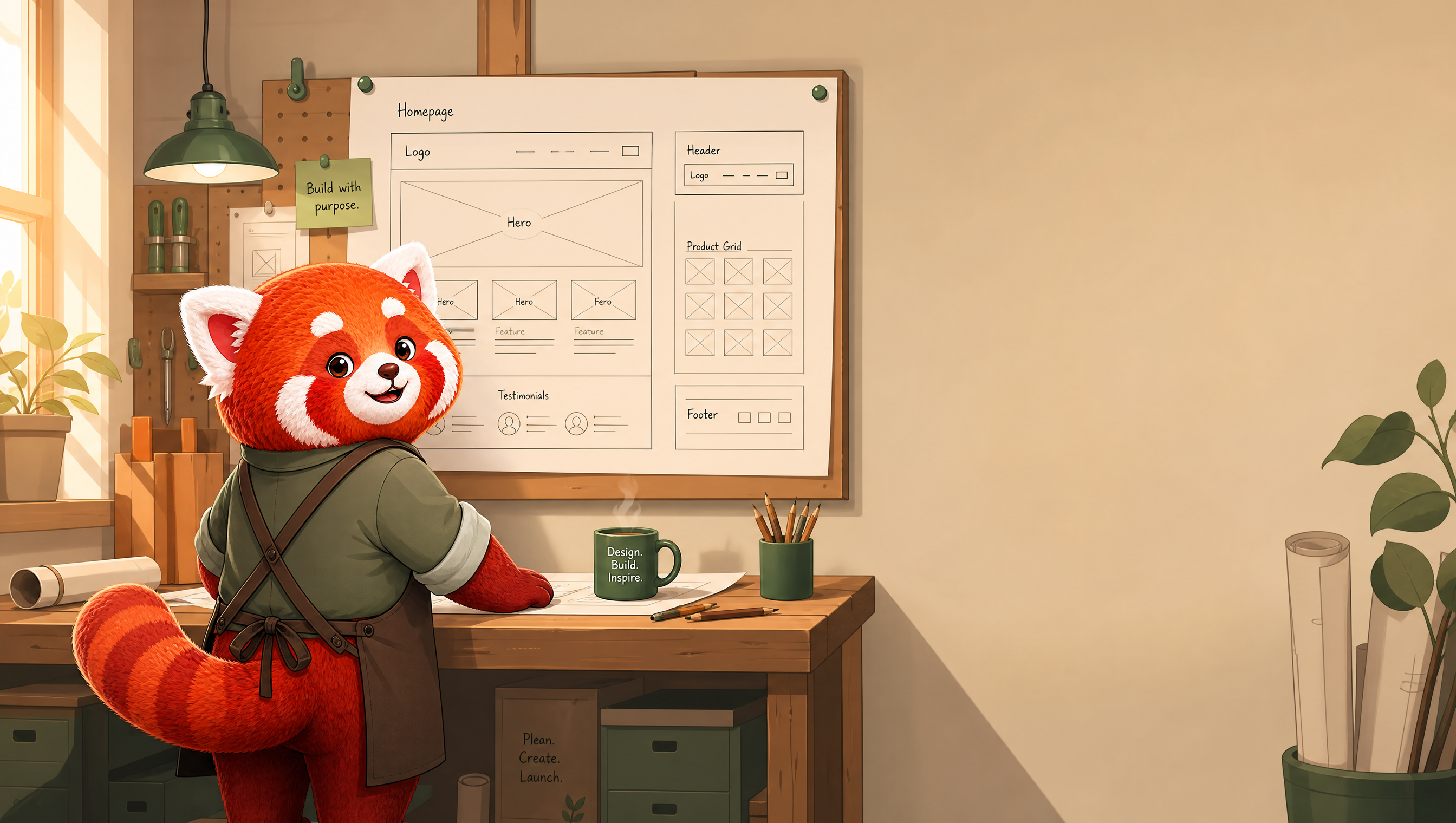
Why I build from scratch instead of using templates
Templates are fine, until they aren't. Here's where they stopped working for me, why I build custom instead, and the honest cases where a template is still the right call.

What actually goes into a website (the parts you can't see)
The design you see is about half of a website. The other half is invisible to most: speed, accessibility, SEO, security, and responsiveness. Here's what really goes in.
Why I redesign brands nobody hired me for
I redesign brands that never hired me, on purpose. Here's why concept work is some of my favorite portfolio, and how I pick which brands to reimagine.

No AI slop: what I actually mean (yes, I use AI every day)
I use AI every day to build websites, and I still say no AI slop. Here's what that actually means, and why the tool was never the problem.